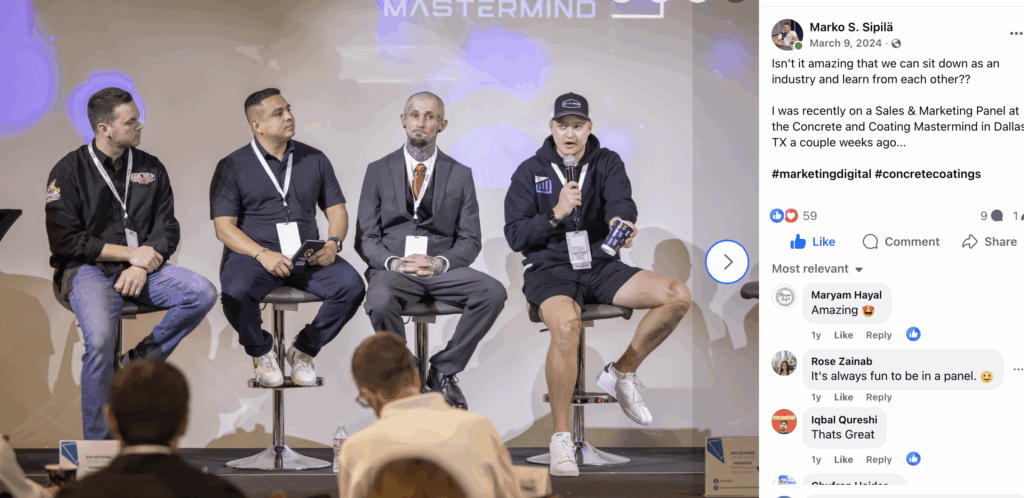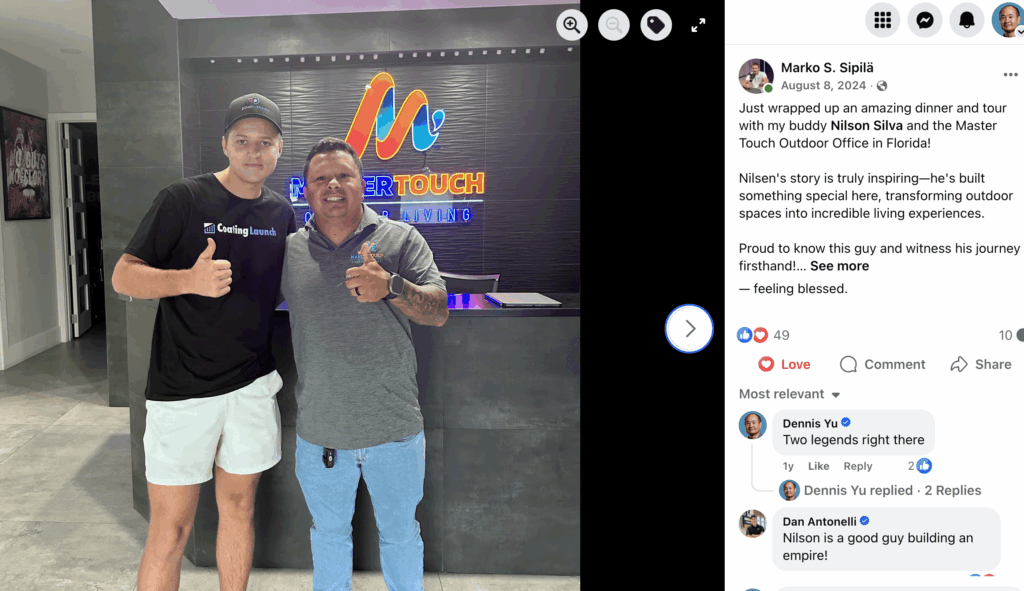
SWI Fencing went from the brink of bankruptcy to $10 million in annual revenue — and Mark Olsen has zero interest in pretending it was easy. Mark joined me on the Fencing Success Podcast for a 42-minute conversation about exactly what changed: the operational fixes, the sales transformation, and the painful realization about what almost killed the company.
About the episode
This is one of the most unfiltered turnaround stories on the Fencing Success Podcast. Share the video URL when you have it and I’ll embed it here.
What you’ll learn in this episode
- The exact financial signal that told Mark the company was in trouble
- What he changed first when they pivoted out of the death spiral
- The sales system that doubled close rates without doubling the team
- How they fixed the crew-level inefficiency that was eating their margins
- The hiring decisions that separated the turnaround year from the bankruptcy year
- What Mark would tell another fence owner who’s heading toward the same place
The signal that something was wrong
The honest version of the SWI story doesn’t start with a clean turnaround plan. It starts with Mark realizing that despite growing revenue, the bank account was shrinking. Every fence owner reading this should pay attention to that pattern. Revenue growth is not the same as financial health. You can grow revenue 30% and lose money if your margins are eroding, your collections are slipping, or your overhead is scaling faster than your gross profit. Mark’s first move was looking at the actual cash flow — and admitting it was bad.
What changed first
The first lever Mark pulled wasn’t marketing or sales. It was margin. He audited every active job and identified which ones were profitable and which ones were losing money. Then he raised prices on everything. The cheap deals that had been pulling the company under stopped getting accepted. The premium customers who valued quality stayed and paid more. Revenue dropped temporarily. Gross margin went up. The company started breathing again.
This is the lesson most fence contractors miss: revenue at bad margins is a slow-motion bankruptcy. Sometimes the only way to save the business is to charge more, even if it means turning down work.
The sales transformation
Once the margins were fixed, the next lever was sales. SWI moved from one-shot estimates that won on price to a structured sales conversation that closed on value. They started showing customers project portfolios from similar homes in the neighborhood. They started offering longer warranties at premium price points. They started running a real follow-up sequence on every quote. Close rate roughly doubled — and revenue rebuilt, this time at the new higher margins.
Crew-level efficiency
The third unlock was operations. Mark and his team did the unglamorous work of tracking how long each crew took to install standard fence types, what their material waste looked like, and which crews were consistently profitable versus consistently losing money. The data told them which crew leads to invest in, which to retrain, and which to let go. That granular crew-level view is what most fence companies never build — and it’s where 10-15% of margin lives.
The hiring decisions
The other big difference between the bankruptcy year and the turnaround year was hiring. In the bankruptcy year, SWI hired whoever applied. In the turnaround year, they ran a real hiring process — multiple interviews, paid trials, reference checks. They paid more for the right people and fired faster when someone wasn’t working out. The team got smaller and stronger before it got bigger again.
What Mark would tell another owner
The advice Mark gave to any fence owner heading toward the same financial trouble: get brutally honest about margin, fix sales before you try to fix marketing, and stop hiring out of desperation. The companies that survive a near-bankruptcy come out stronger because they’re forced to operate with discipline. The companies that don’t survive are usually the ones that keep telling themselves the next big month will fix everything.
About the guest: Mark Olsen
Mark Olsen leads SWI Fencing — one of the standout success stories in the fence industry. The full turnaround story is rare in this category and worth studying carefully if you’re running a fence company at any scale.
Want to model the turnaround?
If your fence company is growing revenue but losing margin, or stuck somewhere in the danger zone Mark described, the path forward starts with brutal honesty about the financials. Reach out through my Professional Network page. And to pair the sales work with marketing, watch Dollar-a-Day for Contractors.